Loading and unloading are among the most frequent activities in a warehouse or distribution centre. When trucks arrive with different bed heights, the gap between the vehicle and the warehouse floor can make forklift movement difficult and increase operational risks.
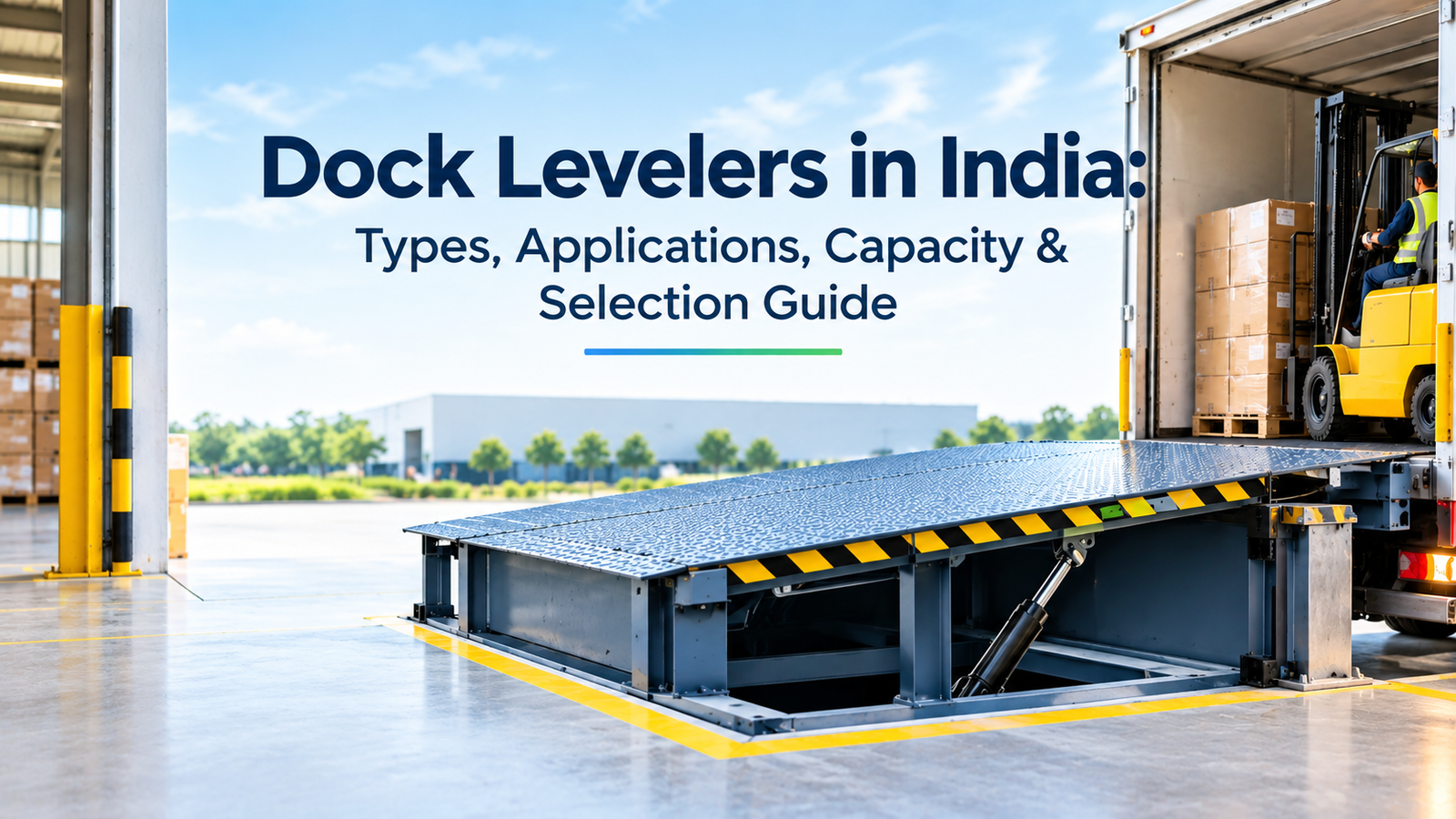
A dock leveler provides a controlled bridge between the loading dock and the vehicle, allowing material handling equipment to move more smoothly during loading and unloading.
However, choosing the right equipment is only one part of the decision. The dock leveler manufacturer you choose can influence product quality, engineering, installation, safety, maintenance and long-term performance.
For businesses searching for a Dock Leveler Manufacturer in India, it is important to look beyond the initial quotation and evaluate whether the manufacturer can provide a solution suited to the facility's loading volume, vehicle profile, pit dimensions and operating conditions. This guide draws on the specifications behind Aurotoshi's own Dock Levelers range as a practical reference point throughout.
Here are the key factors to consider before making a decision.
What Is a Dock Leveler and Why Is It Important?
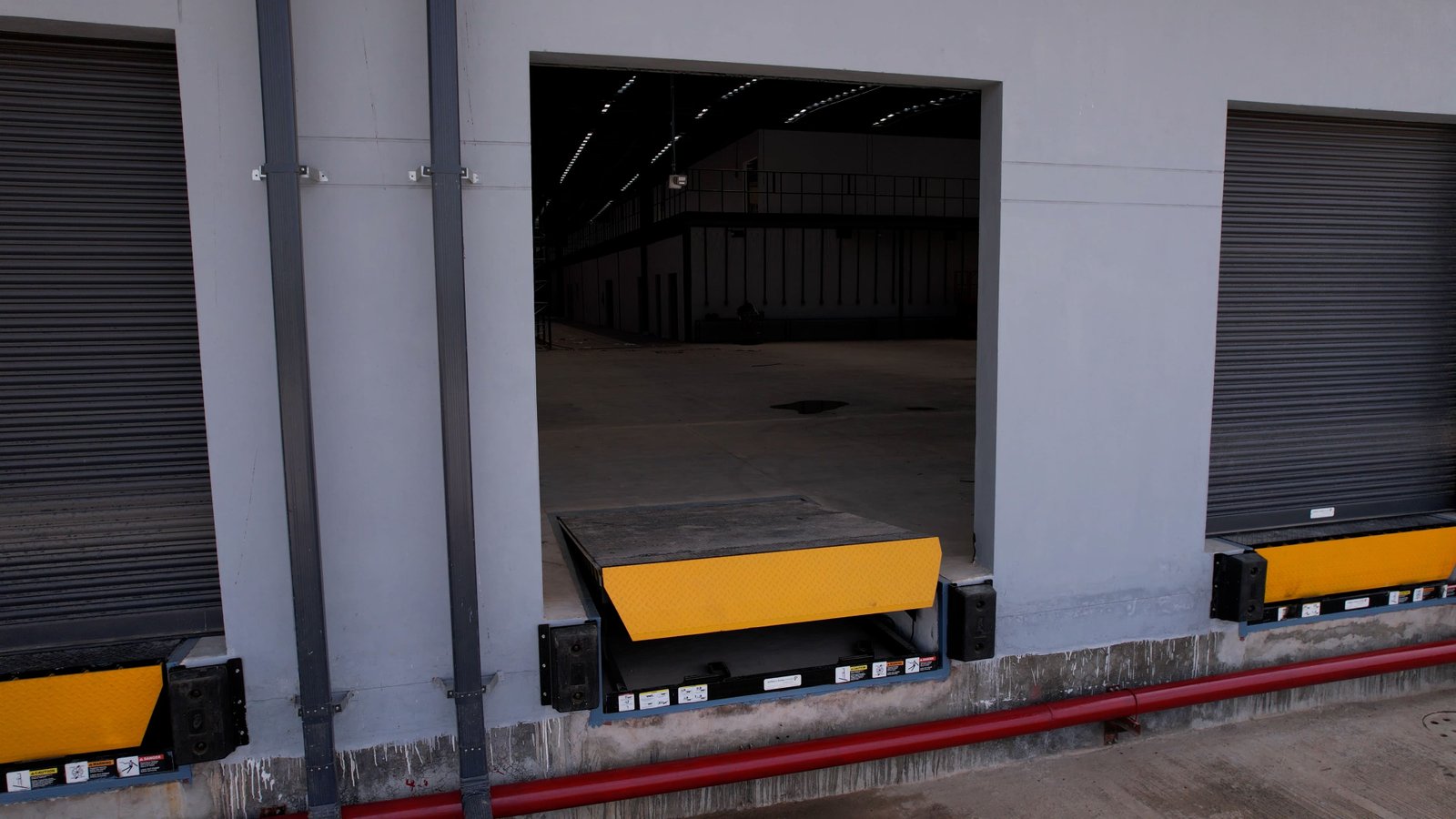
A dock leveler is a mechanical or hydraulic platform installed at a loading bay to compensate for the height difference between the warehouse floor and a truck or trailer.
When the leveler is positioned correctly, forklifts and other material-handling equipment can move between the dock and vehicle more safely and efficiently.
Dock levelers are commonly used in:
• Warehouses
• Distribution centres
• Manufacturing plants
• FMCG facilities
• E-commerce fulfilment centres
• Logistics hubs
• Cold storage facilities
• Industrial production units
The right loading bay equipment can help reduce unnecessary handling, improve vehicle turnaround and create a more controlled transition between the warehouse and vehicle.
Why Choosing the Right Dock Leveler Manufacturer Matters
Dock levelers operate in demanding environments. They may be exposed to heavy forklift traffic, repeated loading cycles, varying vehicle heights and substantial dynamic loads.
A manufacturer should therefore understand more than just the product itself.
The right manufacturer should be able to assess:
• Vehicle and truck profiles
• Dock height
• Pit dimensions
• Required load capacity
• Traffic frequency
• Forklift specifications
• Operating environment
• Safety requirements
• Installation conditions
• Maintenance requirements
A properly specified dock leveler can become a dependable part of the loading bay. An incorrectly selected system can create operational limitations, premature wear or unnecessary maintenance.
8 Things to Check Before Choosing a Dock Leveler Manufacturer in India
1. Look at the Manufacturer's Engineering and Manufacturing Capability
One of the first things to establish is whether the company has genuine manufacturing and engineering capabilities.
A manufacturer with control over product design and production can provide better support when a project requires:
• Custom dimensions
• Different load capacities
• Specific pit configurations
• Application-specific safety features
• Special operating requirements
• Integration with other loading bay equipment
Ask the manufacturer about its production facilities, engineering team, quality processes and experience with projects comparable to yours.
This is especially important for large warehouses and distribution centres where loading bays may operate continuously.
Aurotoshi (An Aurionpro Group Company) designs, manufactures and supports its dock levelers in India, with solutions developed around the specific pit and traffic requirements of the loading bay. Its current range includes electro-hydraulic dock levelers for high-traffic applications, built with a 1.1 to 1.5 kW power pack and CE-marked hydraulic unit for consistent lifting under continuous forklift traffic.
2. Choose the Right Type of Dock Leveler
Not every loading bay requires the same type of dock leveler.
The selection depends on the dock design, vehicle movement, operating frequency and available space.
Hydraulic Dock Levelers
Hydraulic dock levelers use a hydraulic power system to raise and lower the platform.
They are well suited to loading bays that experience frequent movement and require controlled operation. Aurotoshi's pit-based hydraulic dock leveler is built for permanent high-traffic docks, with a full travel range and continuous-duty design.
Mechanical Dock Levelers
Mechanical systems use mechanical components rather than a powered hydraulic system and can be suitable for applications where a simpler operating arrangement is preferred.
Edge-of-Dock Levelers
Edge-of-dock systems are installed at the dock edge and can be considered where a conventional recessed pit installation is not suitable. These are typically used as a retrofit on existing docks with a more limited travel range than a pit-based unit.
The important point is not to choose a leveler simply because it is the most common option. The manufacturer should recommend the configuration based on your actual site and operational requirements.
Comparing the Three Types
A side-by-side view of how Aurotoshi's three dock leveler types differ on the specifications that matter for loading bay planning:
|
Specification |
Pit-Based |
Edge-of-Dock |
Platform |
|
Best For |
Permanent high-traffic docks |
Retrofit on existing docks |
Docks that cannot be excavated |
|
Rated Load |
6T / 9T dynamic |
6T dynamic |
6T / 9T dynamic |
|
Platform Width |
2,000 mm / 2,200 mm |
2,000 mm |
2,000 mm / 2,200 mm |
|
Platform Length |
2,500 / 3,000 / 3,500 mm |
700 mm |
2,500 / 3,000 mm |
|
Travel Range |
+350 to 415 mm / -250 to -350 mm |
+100 mm / -75 mm |
+350 to 375 mm / -250 to -300 mm |
|
Working Gradient |
12.5% (approx 7 degrees) |
8.75% (approx 5 degrees) |
12.5% (approx 7 degrees) |
|
Platform Plate |
6 / 8 mm anti-slip |
6 mm anti-slip |
6 / 8 mm anti-slip |
3. Check Load Capacity and Duty Requirements
Load capacity is one of the most important technical considerations when selecting an industrial dock leveler.
The leveler's capacity should account for the equipment and load moving across the platform, not simply the weight of the goods.
Consider:
• Forklift weight
• Maximum payload
• Pallet weight
• Pallet truck or material-handling equipment
• Frequency of movement
• Dynamic loading conditions
A dock leveler used in a high-volume distribution centre may experience very different operating conditions from one used in a smaller warehouse.
For this reason, the manufacturer should clearly specify the applicable dynamic and static load ratings and explain how they relate to the intended application.
Aurotoshi's(An Aurionpro Group Company) published dock leveler specifications include 6T and 9T dynamic load ratings (15T and 22T uniformly distributed load), with higher capacities available on request depending on the application.
4. Evaluate Safety Features
Safety should be a core consideration when selecting loading bay equipment.
A dock leveler creates a moving bridge between two surfaces and is often used in areas where forklifts and workers operate.
Depending on the design, useful safety features can include:
• Hose-burst protection
• Toe guards
• Anti-slip platform surfaces
• Emergency stop
• Controlled movement
• Safety maintenance struts
• Deadman controls
• Mechanical safety systems
For example, Aurotoshi's hydraulic dock levelers include an integrated hose-burst valve designed to prevent sudden platform movement if a hydraulic hose ruptures or a vehicle departs unexpectedly. The published design also includes telescopic toe guards, under-dock maintenance struts, a 6 to 8 mm anti-skid platform, and a deadman-mode control operated through a single push-button membrane that holds motion only while pressed.
When comparing Dock Leveler Manufacturers in India, ask for details of the safety systems included with the proposed configuration rather than accepting general claims about safety.
5. Check Certifications and Applicable Standards
Industrial equipment should be evaluated against the standards applicable to its design and intended use.
Ask the manufacturer:
• Which standards does the product comply with?
• Has the product been tested?
• Is certification available?
• Can technical documentation be provided?
• Does the proposed configuration match the certified/tested product?
Aurotoshi's dock levelers are published as TÜV Nord certified to EN 1398:2009, CE marked, and compliant with EMC 2014/30/EU, providing a documented reference for the product's loading dock safety and performance requirements.
Certification should not be treated as a substitute for proper installation or site-specific engineering, but it is an important factor when evaluating industrial equipment manufacturers.
6. Consider the Loading Bay Layout
The physical layout of the loading bay plays an important role in selecting a dock leveler.
Before finalising a model, the manufacturer may need information such as:
• Dock height
• Pit width
• Pit length
• Pit depth
• Platform dimensions
• Vehicle bed height
• Available headroom
• Traffic direction
• Forklift specifications
Aurotoshi's current product specifications include platform widths of 2,000 mm and 2,200 mm, platform lengths from 2,500 mm up to 3,500 mm, and travel ranges up to 415 mm positive and 350 mm negative excursion depending on leveler length, demonstrating why dock levelers should be selected according to the individual loading bay rather than treated as a one-size-fits-all product.
A site survey or engineering assessment can help identify installation limitations before equipment is ordered.
7. Look at Installation, Maintenance and After-Sales Support
A dock leveler is a long-term industrial asset, so support should not end after delivery.
Ask the manufacturer about:
• Installation
• Commissioning
• Operator training
• Preventive maintenance
• Spare parts
• Breakdown support
• Annual maintenance contracts
• Technical assistance
This is particularly important for warehouses and distribution centres operating multiple shifts.
A malfunctioning loading bay can interrupt vehicle movement and affect the wider warehouse operation. Having access to trained service personnel and genuine replacement parts can therefore make a significant difference over the equipment's operating life.
8. Compare Total Cost of Ownership
Price is important, but it should not be the only factor.
When comparing quotes from Dock Leveler Manufacturers in India, consider the complete cost of ownership.
This may include:
Equipment cost, installation, commissioning, maintenance, spare parts, and downtime risk.
A lower-priced system may not necessarily provide better value if it requires frequent maintenance or has limited technical support.
Instead, compare manufacturers on:
• Product quality
• Engineering
• Safety
• Certification
• Load capacity
• Expected duty cycle
• Service network
• Spare-parts availability
• Warranty
• Maintenance support
For a busy loading bay, reliability can have a much greater operational value than a small difference in the initial purchase price.
Where Are Dock Levelers Used?
Dock levelers are particularly useful in facilities where vehicles frequently load and unload materials.
Warehouses
Warehouses with regular forklift traffic can use dock levelers to create a smoother transition between the loading dock and vehicle.
Distribution Centres
High-volume distribution centres often handle a large number of vehicle movements every day. Reliable loading bay equipment can help maintain consistent loading and unloading operations.
Manufacturing Plants
Manufacturing facilities may use dock levelers to move raw materials, components and finished products between trucks and production or storage areas.
FMCG Facilities
FMCG distribution operations often involve frequent vehicle movement and time-sensitive dispatch schedules, making efficient loading bays important to overall operations.
Cold Storage
Cold-chain facilities require careful control of movement between temperature-controlled areas and vehicles. The appropriate loading bay configuration can support efficient handling while reducing unnecessary delays.
Logistics and E-Commerce Facilities
Large logistics and e-commerce facilities can have significant loading volumes, making robust and appropriately rated dock equipment essential for daily operations.
Why Choose Aurotoshi for Dock Levelers?
Aurotoshi provides electro-hydraulic dock levelers designed for warehouses, logistics centres, manufacturing facilities, distribution hubs and cold-storage applications.
Its dock leveler range includes:
• Pit-based hydraulic dock levelers
• Edge-of-dock solutions
• Anti-slip platforms and lips
• Integrated hose-burst protection
• Telescopic toe guards
• Deadman-mode controls
• Under-dock maintenance struts
The current published specifications include 6T and 9T dynamic load options, with higher capacities available on request, and certification to EN 1398:2009 through TÜV Nord, alongside CE marking and EMC 2014/30/EU compliance.
Aurotoshi(An Aurionpro Group Company) also provides other industrial automation and loading bay solutions, including High Speed Doors, Rolling Shutters, and Entrance Gates, allowing businesses to evaluate multiple requirements through a single industrial automation partner.
For companies looking for a Dock Leveler Manufacturer in India, the focus should ultimately be on the right combination of engineering, safety, product performance, certification, installation and long-term support.
Frequently Asked Questions
1. What is a dock leveler?
A dock leveler is a platform installed at a loading bay that bridges the height and gap between the warehouse floor and a truck or trailer, allowing forklifts and other material-handling equipment to move between them.
2. How does a hydraulic dock leveler work?
A hydraulic dock leveler uses a hydraulic power system to raise and lower its platform and position the lip onto the vehicle floor. This creates a controlled bridge for loading and unloading operations.
3. How do I choose the right dock leveler?
Consider the dock height, vehicle bed heights, pit dimensions, load capacity, forklift weight, traffic frequency, operating environment and required safety features. A manufacturer should evaluate these factors before recommending the appropriate configuration.
4. What is the difference between a hydraulic and mechanical dock leveler?
A hydraulic dock leveler uses a powered hydraulic system for platform movement, while a mechanical dock leveler relies on mechanical components and manual operation. The right choice depends on the loading bay's traffic, operating requirements and available infrastructure.
5. What capacity dock leveler do I need?
The required capacity depends on the combined dynamic loading conditions created by the forklift or material-handling equipment and the goods being transported. The manufacturer should recommend the capacity based on the actual application rather than only the product load.
6. Are dock levelers safe?
Dock levelers can be designed with multiple safety features such as hose-burst protection, toe guards, anti-slip surfaces, controlled operation and maintenance supports. Safe operation also depends on correct installation, inspection, maintenance and operator practices.
7. What are the benefits of using a dock leveler?
Dock levelers help bridge the height difference between trucks and warehouse floors, supporting smoother forklift movement, safer loading and unloading, and more efficient use of loading bays.
8. Where are dock levelers used?
Dock levelers are commonly used in warehouses, distribution centres, manufacturing plants, logistics hubs, FMCG facilities, e-commerce fulfilment centres and cold-storage operations.
9. Do dock levelers require maintenance?
Yes. Regular inspection and preventive maintenance can help identify wear, hydraulic issues, damaged components and safety-system problems before they cause unexpected downtime.
10. What should I check when selecting a dock leveler manufacturer in India?
Check manufacturing capability, engineering experience, product specifications, load capacity, safety features, applicable certifications, installation expertise, spare-parts availability and after-sales service. Project experience with similar facilities can also be valuable.
Final Thoughts
A dock leveler is a critical part of a modern loading bay. Selecting the right equipment can help create a safer and more efficient connection between the warehouse and the vehicles serving it.
But the equipment is only as good as the engineering and support behind it.
When evaluating a Dock Leveler Manufacturer in India, look beyond the initial price. Consider manufacturing capability, load requirements, safety systems, certification, site conditions, installation, maintenance and long-term service.
For warehouses, manufacturing plants, logistics centres and distribution facilities, choosing a manufacturer that understands the complete loading bay requirement can help create a solution built for reliable day-to-day operation. Explore Aurotoshi's full Dock Levelers range or contact Aurotoshi today to discuss your facility's requirements.