
About Product
Two Hours To Get Everyone Out
A fire-rated door is more than a heavy-duty steel door. It is a tested assembly comprising the shutter, frame, glazing, seals and hardware, designed to help maintain fire compartmentation for a specified period. This helps restrict the spread of fire and smoke while occupants evacuate and emergency responders carry out their work.
As one of the Fire Rated Doors Manufacturers in India, Aurotoshi manufactures 2-hour rated steel fire door sets tested in accordance with IS 3614 Part 2 and BS 476 Part 22. The 46 mm thick shutter is constructed using two 20-gauge galvanised steel sheets, lock-seam jointed at the stile edges to form a double-skin, fully flush structure. It incorporates a proprietary insulation infill and additional steel reinforcement at hinge, lock and door-closer positions.
The shutter is fitted into a 143 × 57 mm double-rebate frame made from 16-gauge galvanised steel, with a 1.4 mm bend radius. The frame is supplied assembled to support installation at the designated fire compartment opening.
Aurotoshi offers two hardware configurations to suit different building requirements. The D-handle and mortice lock configuration is suitable for rooms, corridors, plant rooms and service areas where controlled access is required. The panic bar configuration is designed for emergency exits, stairways and protected escape routes, allowing occupants to release the door with a single push from the escape side while maintaining the specified locking arrangement from the opposite side. Both configurations are available in single-leaf and double-leaf options.
Each fire door set can include an intumescent seal, an overhead self-closing mechanism and an optional fire-rated vision panel. Manufactured at Aurotoshi's Ghaziabad facility, the doors are supplied with relevant test documentation to support project compliance reviews, fire NOC processes, consultant approvals and insurance records.
Features
Tested Assembly, Not Just a Rated Leaf
Shutter, frame, glazing and hardware certified together.
46 mm Lock-Seam Double-Skin Shutter
Two 20-gauge sheets over proprietary insulation infill.
Steel Reinforcement at Hardware Positions
Steel replaces infill behind hinges, lock, closer, panic bar.
Two Hardware Sets, One Tested Door
D-handle and mortice lock, or panic bar.
Self-Closing Onto a Double Rebate
Overhead closer seats the leaf into a double rebate.

Fire-Rated Vision Panel Option
6 mm fire-rated glass, 200 × 300 mm.

Fire-rated doors are an important part of a building's passive fire protection system. They are installed at designated openings in fire-rated walls to help contain fire and restrict its spread between different areas of a building. By maintaining compartmentation and protecting designated escape routes, they provide valuable time for occupants to evacuate and emergency teams to respond.
When evaluating Fire Rated Doors Manufacturers in India, it is important to look beyond the fire rating mentioned in a product description. The performance of a fire door depends on the complete assembly, including the shutter, frame, hinges, locking arrangement, seals, door closer and any vision panel. These components must be compatible with the tested configuration and installed according to the approved specifications.
Aurotoshi manufactures 120-minute fire-rated steel door sets tested in accordance with IS 3614 Part 2 and BS 476 Part 22. Available in D-handle and mortice lock or panic bar configurations, these doors are designed for commercial, industrial and institutional buildings where fire compartmentation and controlled access are important.
The location and purpose of a fire door depend on the building layout, fire-safety strategy and requirements of the designated compartment or escape route. They are commonly specified in the following environments:
-
Pharmaceutical and healthcare facilities: Used at designated openings in areas where fire compartmentation, controlled movement and safe evacuation are important.
-
Hospitals and medical centres: Installed along protected corridors, stairways and other designated routes to support building fire-safety arrangements.
-
Manufacturing plants: Help separate production areas, utility rooms, electrical rooms and other designated fire compartments.
-
Warehouses and logistics facilities: Used between storage areas, operational zones and protected circulation routes, according to the building's fire-safety plan.
-
Data centres and IT facilities: Specified at designated openings where fire separation is part of the facility's overall protection strategy.
-
Commercial buildings and offices: Used in staircases, service areas, plant rooms and other locations identified in the building's fire-safety design.
-
Hotels and public infrastructure: Installed at designated compartment boundaries and protected escape routes to support occupant safety.
The required fire-resistance period, door configuration and hardware should always be determined by the building's approved fire strategy and applicable regulations.
A fire-rated door should be assessed as a complete door set rather than as an individual steel shutter. Each component contributes to the assembly's ability to perform under fire-test conditions.
Important components include:
-
Fire-rated shutter: The main door leaf, constructed with the specified steel skins and insulation infill.
-
Steel door frame: Provides the supporting structure and the correct rebate profile for the door leaf.
-
Intumescent seals: Expand when exposed to heat and help close gaps around the door edges.
-
Fire-rated hinges: Support the door leaf and maintain its intended movement and alignment.
-
Door closer: Returns the door to its closed position after use, helping maintain the compartment boundary.
-
Locking and panic hardware: Provides the required access control or emergency-release function.
-
Fire-rated vision panel: Allows visibility through the door when included in the tested assembly and installed using the approved glazing arrangement.
For a certified fire door, the test evidence must correspond to the actual assembly being supplied. Changes to the frame, glazing, hardware or installation details should not be assumed acceptable unless they are covered by the relevant test evidence or approved assessment.
The hardware configuration should be selected according to how the doorway will be used. Aurotoshi offers two options, both with a specified 120-minute fire rating.
Fire Door with D-Handle and Mortice Lock
This configuration is suitable for rooms, corridors, plant rooms and service areas where the opening forms part of a fire compartment and controlled access is required.
The mortice lock provides a conventional locking arrangement, while the overhead door closer returns the leaf to its closed position after passage. It is generally considered for locations where everyday access and security need to be managed together.
Fire Door with Panic Bar
A panic bar configuration is intended for emergency exits, stairways and designated escape routes where occupants need to open the door quickly from the escape side.
The push-bar mechanism allows the door to be released with a single push, without requiring a key or conventional handle operation from the escape side. Aurotoshi offers single-point panic hardware for single-leaf doors and triple-point hardware for double-leaf configurations, as specified for the product.
The appropriate arrangement should be confirmed against the building's occupancy, escape-route design and applicable fire and life-safety requirements.
The choice between a single-leaf and double-leaf fire door depends mainly on the clear opening required and the movement expected through the doorway.
Single-leaf fire doors use one hinged shutter and are suitable for standard-width openings in corridors, service rooms, plant areas and other locations primarily used for pedestrian movement.
Double-leaf fire doors use two shutters to provide a wider clear opening. They are considered for larger doorways, equipment movement and routes where the full opening width is required. The active and secondary leaf arrangement, locking hardware and closing sequence must be specified as part of the tested door set.
Aurotoshi offers both configurations in its D-handle and panic bar variants. Standard sizes include single-leaf openings of 1200 × 2100 mm and 1200 × 2400 mm, and double-leaf openings of 1500 × 2100 mm and 1800 × 2100 mm. Project-specific dimensions should be confirmed against the approved door schedule and available test documentation.
Selecting a fire door involves more than matching a product to an opening dimension. Architects, consultants, contractors and facility managers should review the following points before finalising a specification:
-
Required fire rating: Confirm whether the opening requires a 60-minute, 90-minute or 120-minute fire-resistance period, according to the approved fire-safety design.
-
Opening dimensions: Check the structural opening, required clear passage and whether a single-leaf or double-leaf arrangement is appropriate.
-
Door location: Identify whether the door is installed in a corridor, plant room, staircase, service area or emergency exit.
-
Hardware configuration: Select a D-handle and lock for controlled access or panic hardware where emergency release is required.
-
Test documentation: Review the applicable test reports and certification documents for the complete shutter, frame, glazing and hardware configuration.
-
Installation requirements: Check frame fixing, wall construction, clearances, sealing and installation details against the approved specifications.
-
Maintenance arrangements: Plan periodic inspection of hinges, door closers, locks, panic bars, seals and other components to keep the door operating correctly.
Working through these requirements helps ensure that the selected door is appropriate for its location and intended function.
A fire door can only perform as intended when it is correctly installed and maintained. Even a tested door assembly may not provide its expected performance if the frame is incorrectly fixed, seals are damaged, hardware is unsuitable or the door is routinely left open.
Regular inspection should cover the condition of the shutter and frame, hinge fixings, door closer operation, locking mechanism, panic bar, intumescent seals and vision panel. The door should close fully without obstruction and latch as intended.
Aurotoshi provides installation assistance and Annual Maintenance Contract (AMC) support for its fire-rated door systems. Maintenance services include hinge and closer servicing, panic bar and lock checks, seal and vision panel inspection, frame and anchor checks, and service documentation. Breakdown support and spare parts assistance are also available according to the agreed service scope.
Choosing a fire door manufacturer involves evaluating product construction, test documentation, configuration options and support after installation. Aurotoshi brings manufacturing experience dating back to 1992, with manufacturing facilities in Ghaziabad and capabilities to support project-specific requirements.
Its fire-rated steel door range includes:
-
120-minute fire-rated door configurations tested to IS 3614 Part 2 and BS 476 Part 22.
-
D-handle and mortice lock options for controlled-access areas.
-
Panic bar configurations for designated emergency exits.
-
Single-leaf and double-leaf arrangements.
-
Double-skin galvanised steel shutter construction with insulation infill.
-
Optional fire-rated vision panels in the specified tested configuration.
-
Installation assistance and AMC support.
For projects comparing fire door manufacturers in India, Aurotoshi supports architects, consultants, EPC contractors and facility teams with product specifications, relevant test documentation and door configurations suited to the intended application.
For openings that require durable pressed-steel doors but do not require a fire-resistance rating, you can also review Aurotoshi's HMPS steel door systems.
Models & Specifications
Choose Your Specification
Choose from our range of high performance variants tailored to your specific facility requirements.
Certified 2-hour fire door set with a D-handle and mortice lock, for compartment-line openings in normal circulation that also have to stay secured. Single or double leaf.
Certified 2-hour fire door set with panic hardware, for escape routes that must release under crowd pressure from the escape side. Single or double leaf.
Full Specification Comparison
| Specification | Fire Door with D-Handle & Lock | Fire Door with Panic Bar |
|---|---|---|
| Best for | Rooms, corridors, plant and service areas that sit on a compartment line and also need to stay secured | Emergency exits, stairways and protected escape routes that must release under crowd load |
| Fire rating | 120 minutes (2 hour) | 120 minutes (2 hour) |
| Leaf configuration | Single or double leaf | Single or double leaf |
| Panic hardware | D-handle with mortice lock | Single-point on single leaf, triple-point on double leaf |
| Standards | IS 3614 Part 2, BS 476 Part 22 | IS 3614 Part 2, BS 476 Part 22 |
Where These Doors Are Installed
Industries & Applications
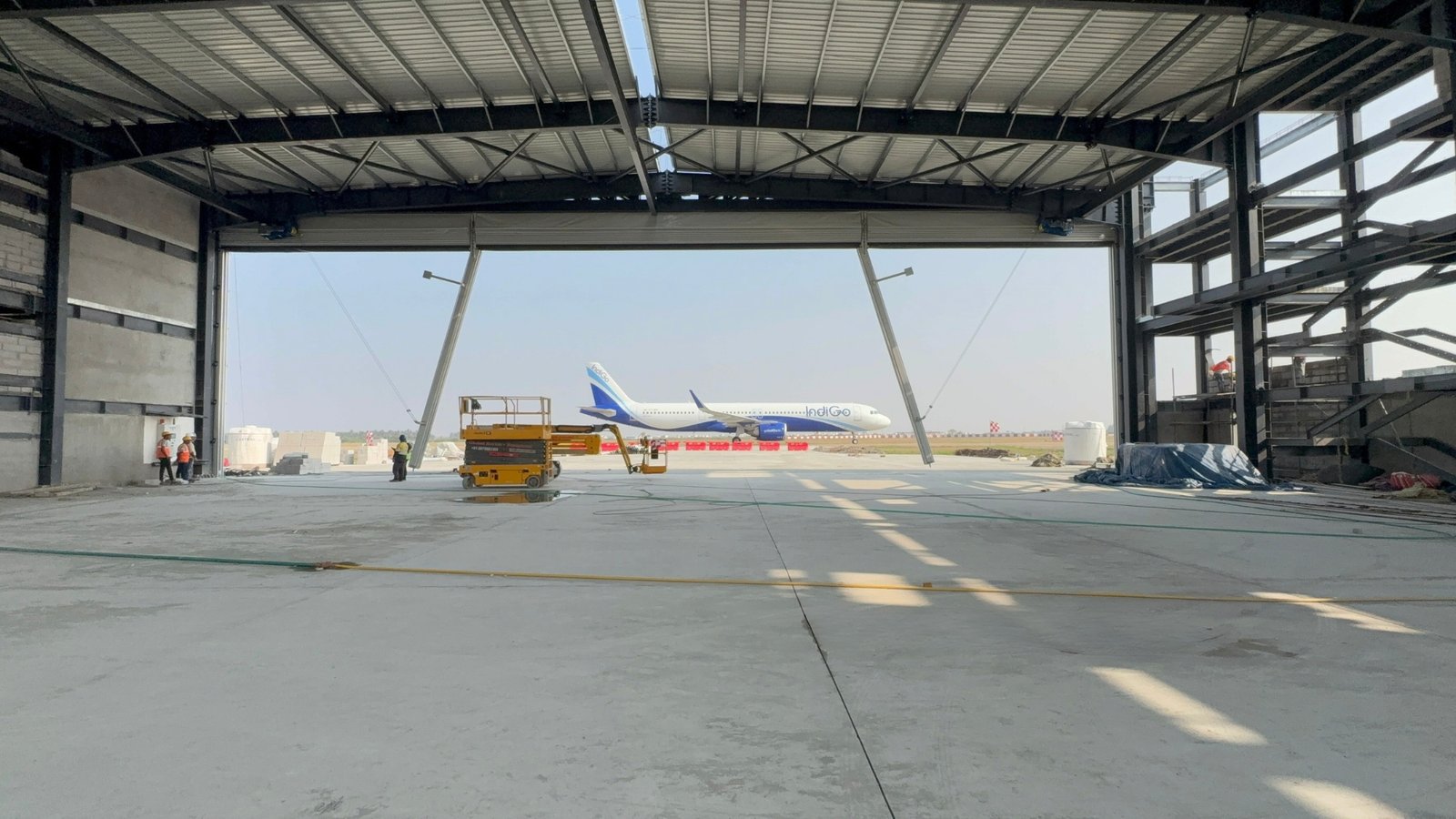
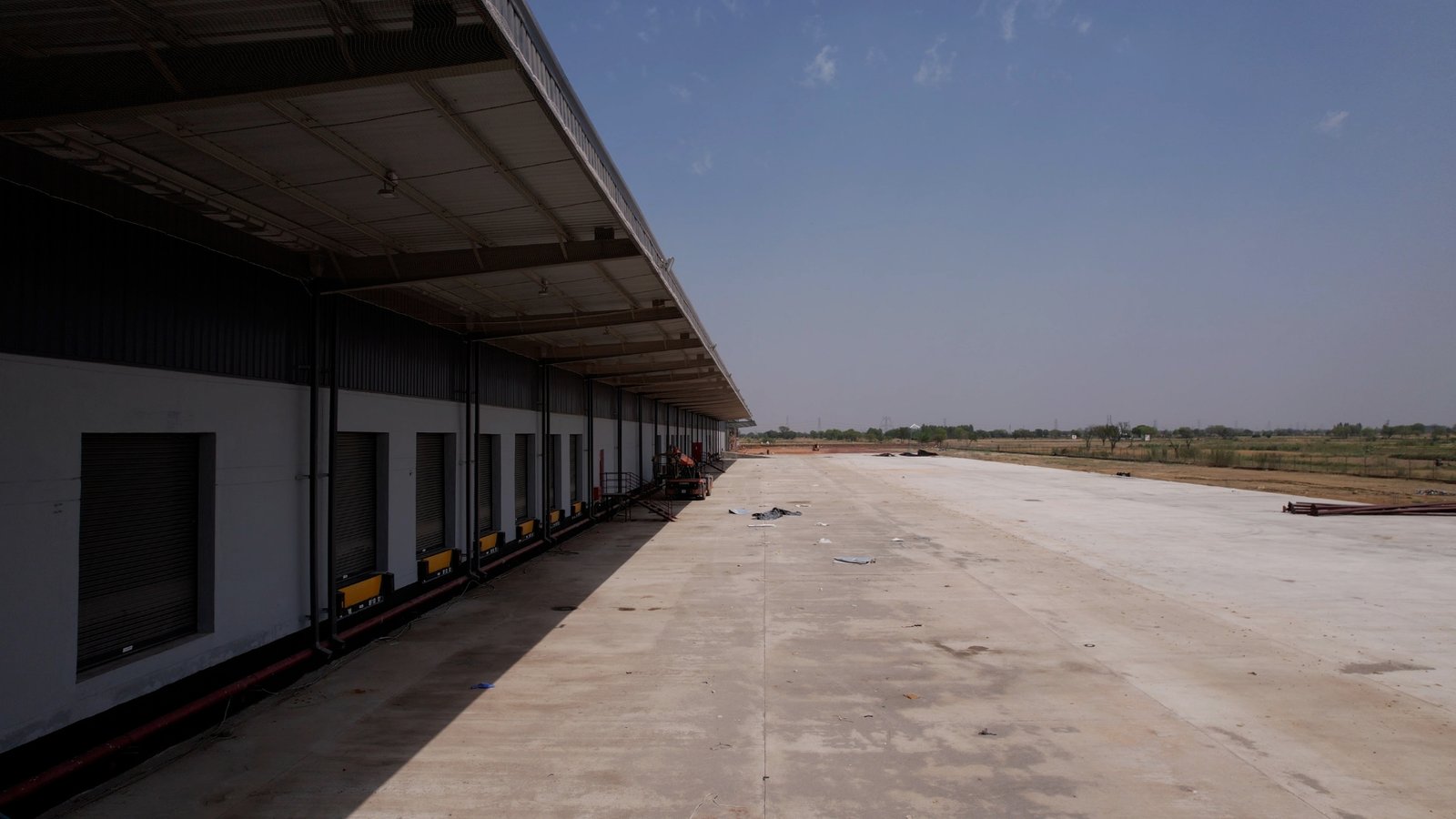
Engineered for diverse industrial and commercial environments, our solutions are trusted across a wide range of industries and applications.

Frequently Asked Questions
Buyer's Questions, Answered
Common queries from facility managers, procurement heads, and plant engineers.
Aurotoshi fire-rated steel door sets carry a specified fire rating of 120 minutes (2 hours) and are tested in accordance with IS 3614 Part 2 and BS 476 Part 22. The rating applies to the tested door assembly, including the shutter, frame, glazing and hardware, rather than the shutter alone. Relevant test documentation can be provided for project reviews, fire NOC processes, consultant approvals and insurance records.
The choice depends on the door's location and intended use. A D-handle with a mortice lock is suitable for rooms, corridors, plant rooms and service areas where controlled access is required. A panic bar is intended for designated emergency exits and stairways, allowing occupants to release the door with one push from the escape side. Both configurations are available with a specified 120-minute fire rating in single-leaf and double-leaf options.
Aurotoshi fire-rated doors feature a 46 mm thick double-skin shutter made from two 20-gauge galvanised steel sheets, lock-seam jointed at the stile edges. The shutter incorporates a proprietary insulation infill and additional steel reinforcement at hardware positions, including hinges, locks, door closers and panic bars. It is fitted into a 16-gauge galvanised steel frame with a 143 × 57 mm double-rebate profile.
The specified hardware includes SS ball-bearing hinges, an overhead self-closing mechanism and an intumescent seal on three sides. Depending on the selected configuration, the door is supplied with a D-handle and mortice lock or panic bar hardware. Single-leaf panic doors use a single-point arrangement, while double-leaf configurations use triple-point panic hardware. All components should match the applicable tested door assembly.
Yes. Aurotoshi offers an optional 6 mm fire-rated glass vision panel measuring 200 × 300 mm, with Schott or Glazer glass options as specified. The glazing must use the approved tested installation detail to maintain the applicable fire rating of the complete door assembly. Vision panels are useful in corridors and other locations where visibility through the door is required.
An overhead door closer automatically returns the door leaf to its closed position after it is opened. This helps maintain the fire compartment boundary during normal building operation. Where a door needs to remain open, an appropriately approved hold-open device linked to the fire alarm system may be specified, provided the arrangement is permitted by the applicable fire-safety design and tested door configuration.
Fire-rated doors require periodic inspection to ensure that their components remain functional. Maintenance should cover hinge condition, door closer operation, panic bar and lock functionality, intumescent seals, vision panels, frame fixings and anchors. The door should close fully and latch correctly without obstruction. Aurotoshi offers AMC services that include preventive maintenance, component checks, breakdown support and documented service records.
The standard lead time is approximately 4–6 weeks from order confirmation, subject to the approved specifications and project requirements. Aurotoshi manufactures fire-rated steel doors at its Ghaziabad facility and supports EPC contractors, consultants and system integrators with OEM and ODM supply arrangements, product specifications, drawings and relevant test documentation. Site survey arrangements can typically be made within 3 working days of an enquiry, subject to location and scheduling.
2-hour fire-rated steel doors are commonly specified in manufacturing plants, warehouses, hospitals, commercial buildings, data centres, pharmaceutical facilities, stairways and service areas. Their installation locations depend on the building's fire-compartment layout, approved fire-safety plan and applicable regulations. The required fire rating and hardware configuration should be confirmed with the project consultant.
A single-leaf fire-rated door has one shutter and is suitable for standard-width openings where a single door panel provides the required clear passage. A double-leaf fire-rated door has two shutters and provides a wider opening for larger passage requirements. Aurotoshi offers standard single-leaf sizes of 1200 × 2100 mm and 1200 × 2400 mm, and double-leaf sizes of 1500 × 2100 mm and 1800 × 2100 mm. The final size and configuration should be confirmed against the approved project specifications and test documentation.
After Installation
Service & AMC for
Fire Rated Doors
We don't disappear after installation. Structured AMC, 24-hour breakdown response, in-house spare parts dispatched from Ghaziabad.
- Hinge and closer servicing
- Panic bar and lock check
- Seal and vision panel inspection
- Frame and anchor check
- Service records provided
- 24-hour response for AMC customers
- In-house spare parts, no import lead times
- Closer, hinge and panic bar replacements
- Trained engineers across Delhi NCR, Mumbai, Pune
- IS 3614-2 and BS 476-22 test certificates
- Fire-rating verification
- Hardware and closer service records
- Documented for fire NOC and insurer audit